
Field Research / Service Design / Community Systems
Realities of Water & Sanitation in Karohan
The Big Picture
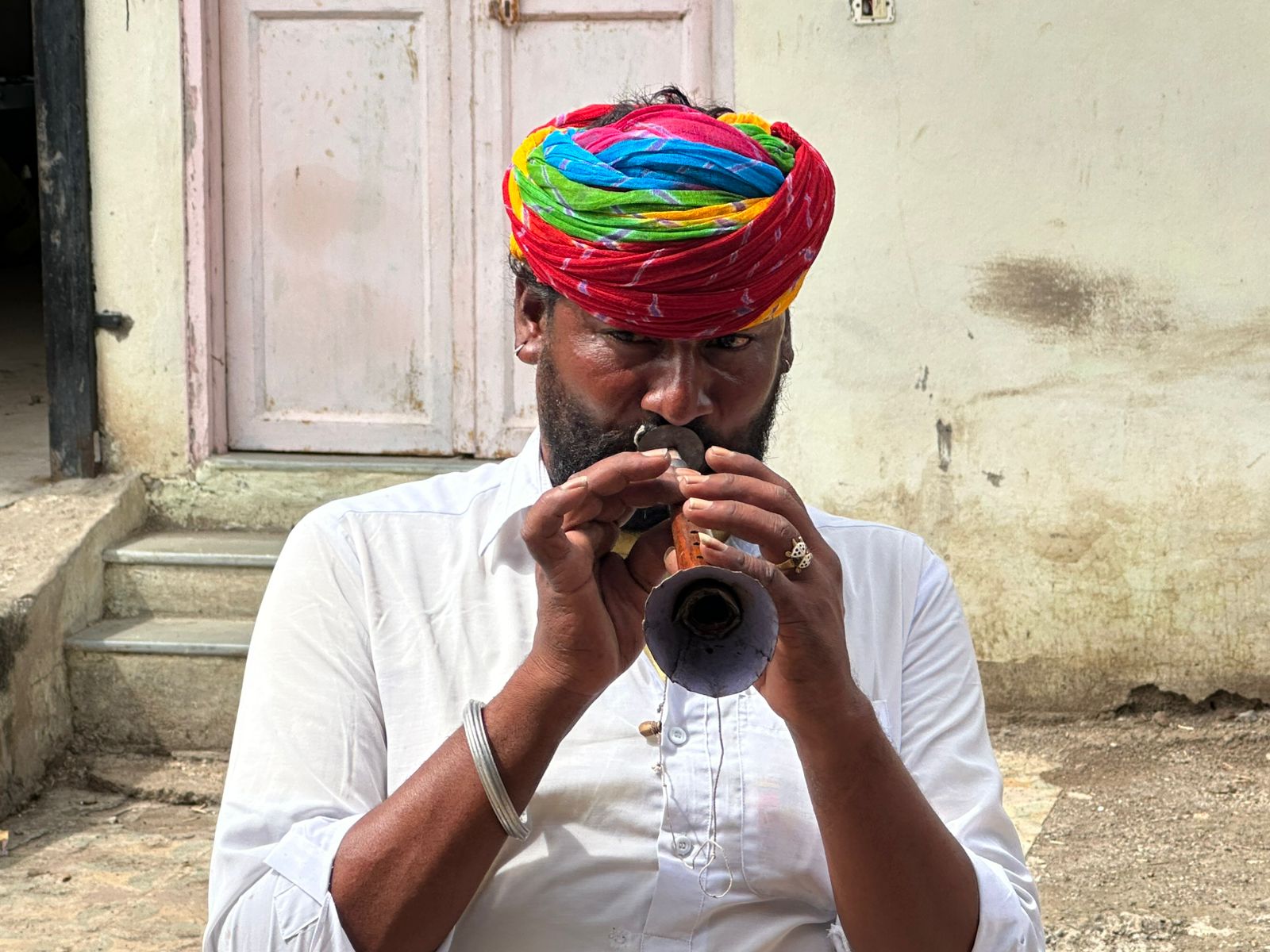
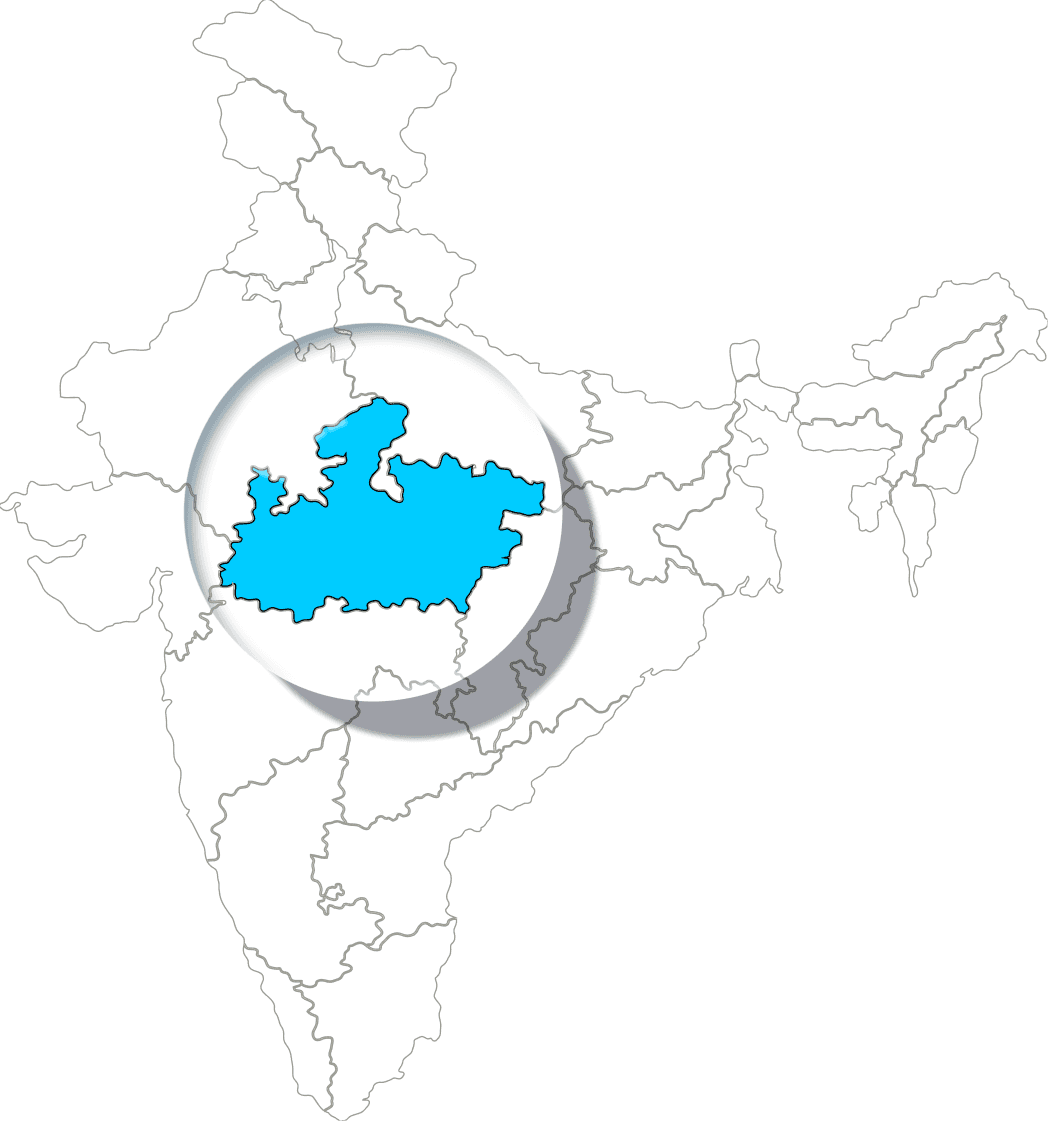
Karohan is a rural village near Ujjain facing challenges in water quality and sanitation. Through field research, we studied how residents access and use water, and how infrastructure, behaviour, and awareness shape everyday practices.
Project Type
Group Project
Role
UX Researcher
Timeline
September 2025-October 2025
Tools
Figma, Confluence, Miro
How We Narrowed The Focus
We began by looking at rural sanitation challenges broadly, then narrowed our focus to Karohan to understand how everyday water routines and system gaps directly impact health outcomes.
From National Challenge to Local Focus

India’s Rural Reality
Access doesn’t always mean safe use.
Behaviour Gaps
Access doesn’t always mean safe use.

Infrastructure Limits
Last-mile breakdowns affect outcomes.

Why Karohan
A case to study daily practice.
Target Audience
Residents of Karohan village and local stakeholders involved in water and sanitation practices.

10-70 years
In Karohan, water and sanitation challenges extend beyond infrastructure. Gaps in safe water use, hygiene awareness, waste disposal, and local governance intersect in daily life, increasing health risks and limiting sustainable sanitation outcomes.
Solution
Small Systems, Big Impact
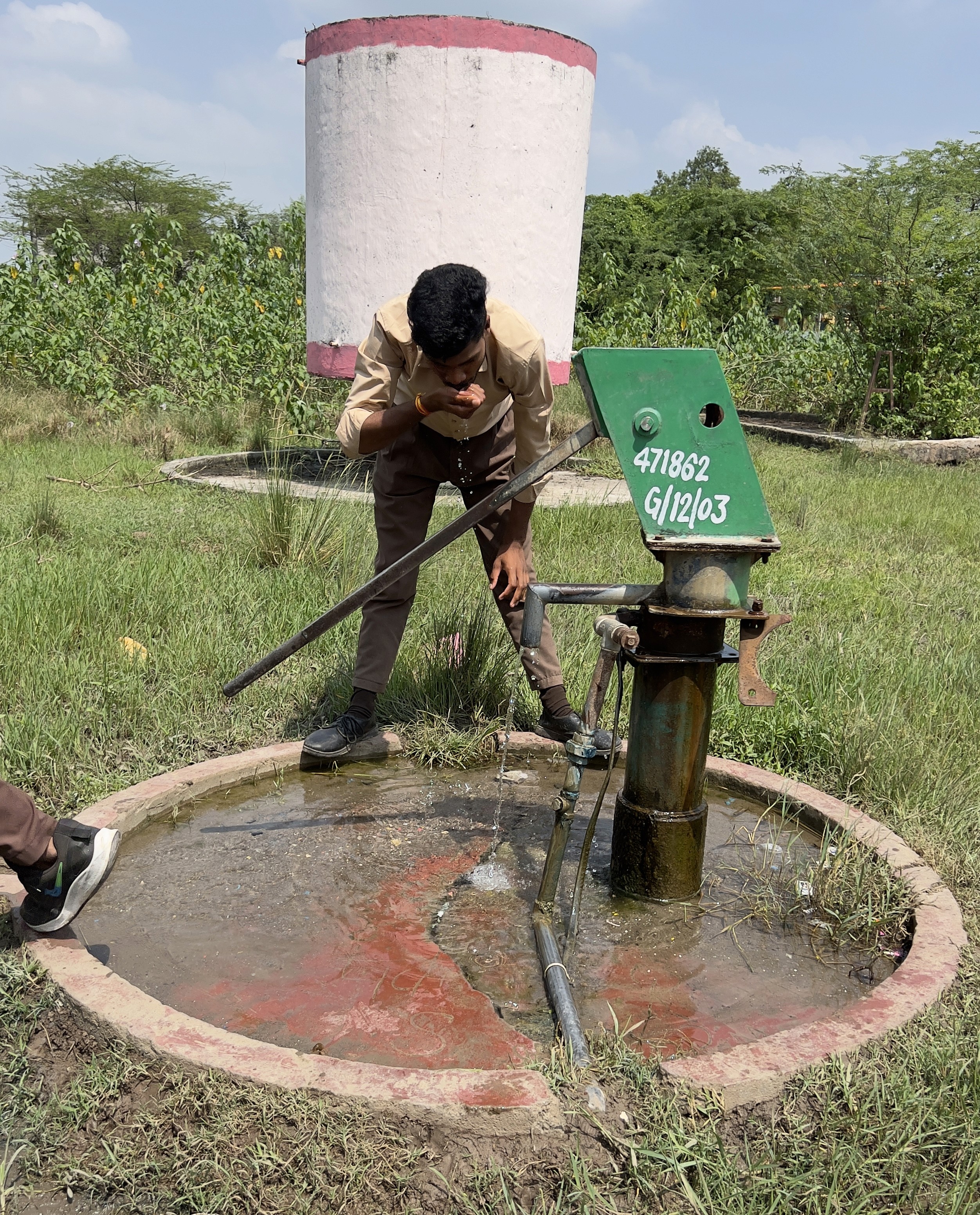
Clean water and sanitation are part of everyday life, not just infrastructure.
In Karohan, access exists, but gaps in awareness, waste management, and coordination create health risks. This project strengthens existing systems through community-led awareness, shared responsibility, and practical governance support to make sanitation sustainable.
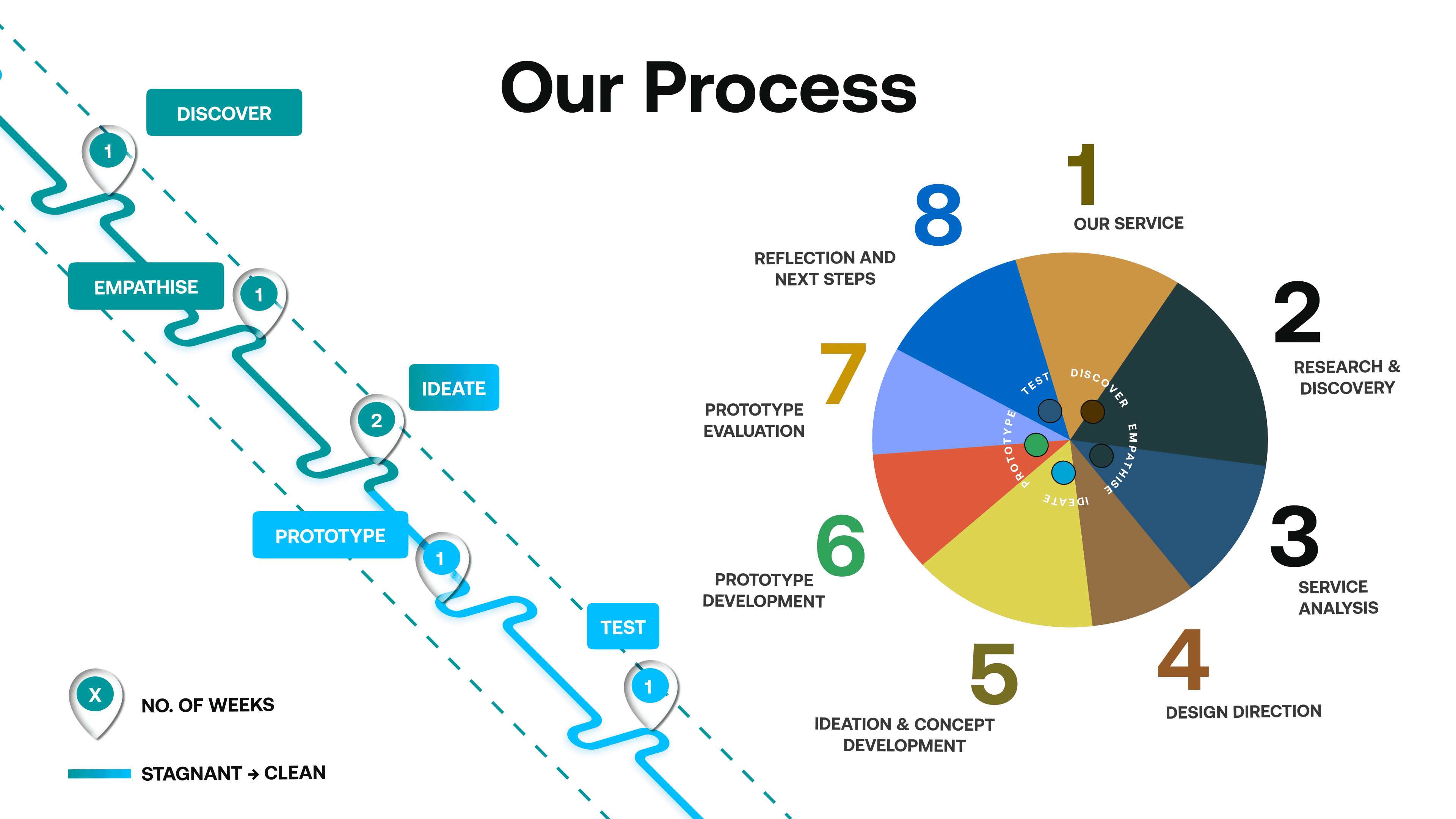
1. Discover
What should we focus on to improve water and sanitation in Karohan?
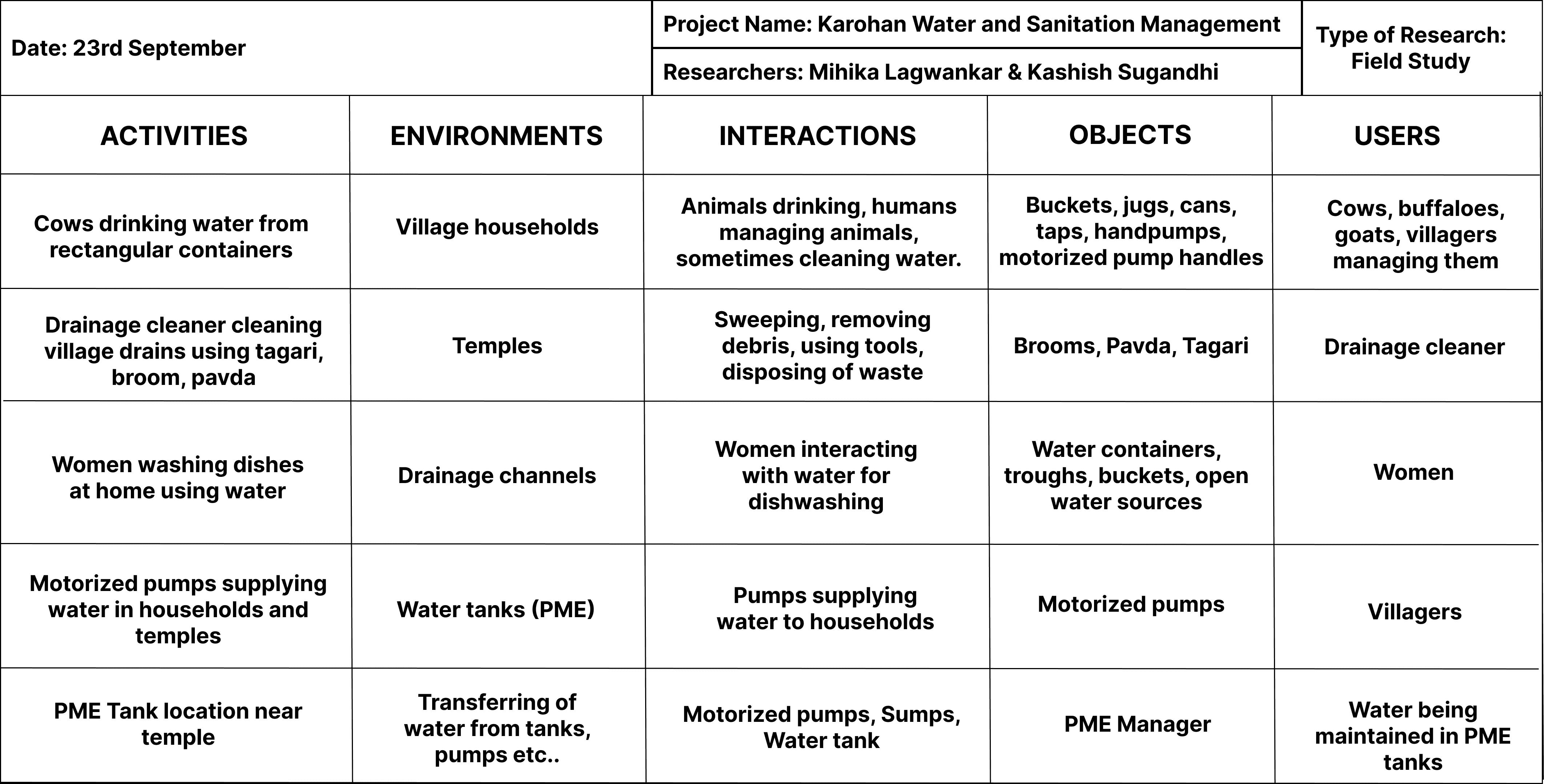
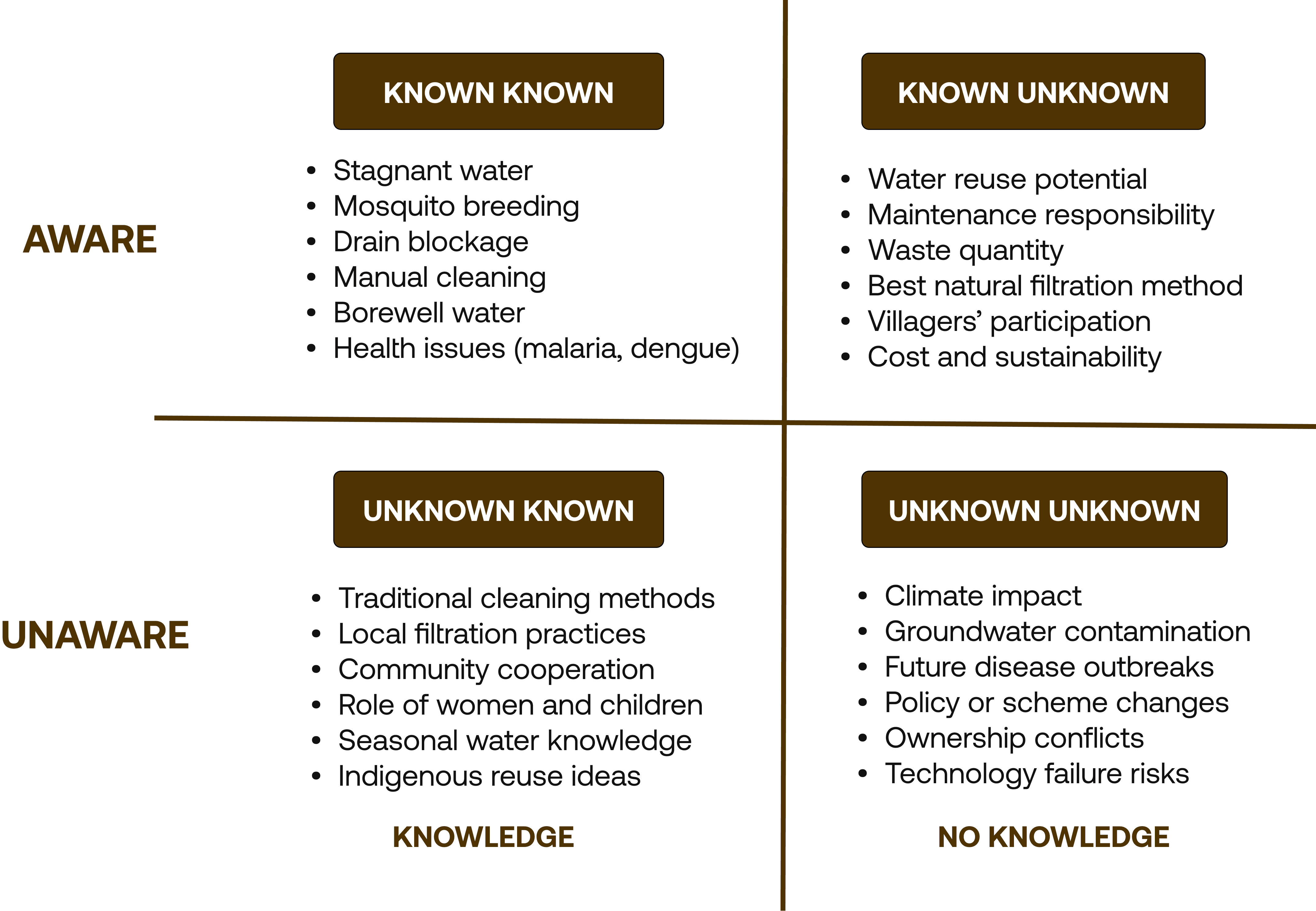

These frameworks showed that the biggest sanitation gaps lie in unseen daily practices, not just visible infrastructure issues.
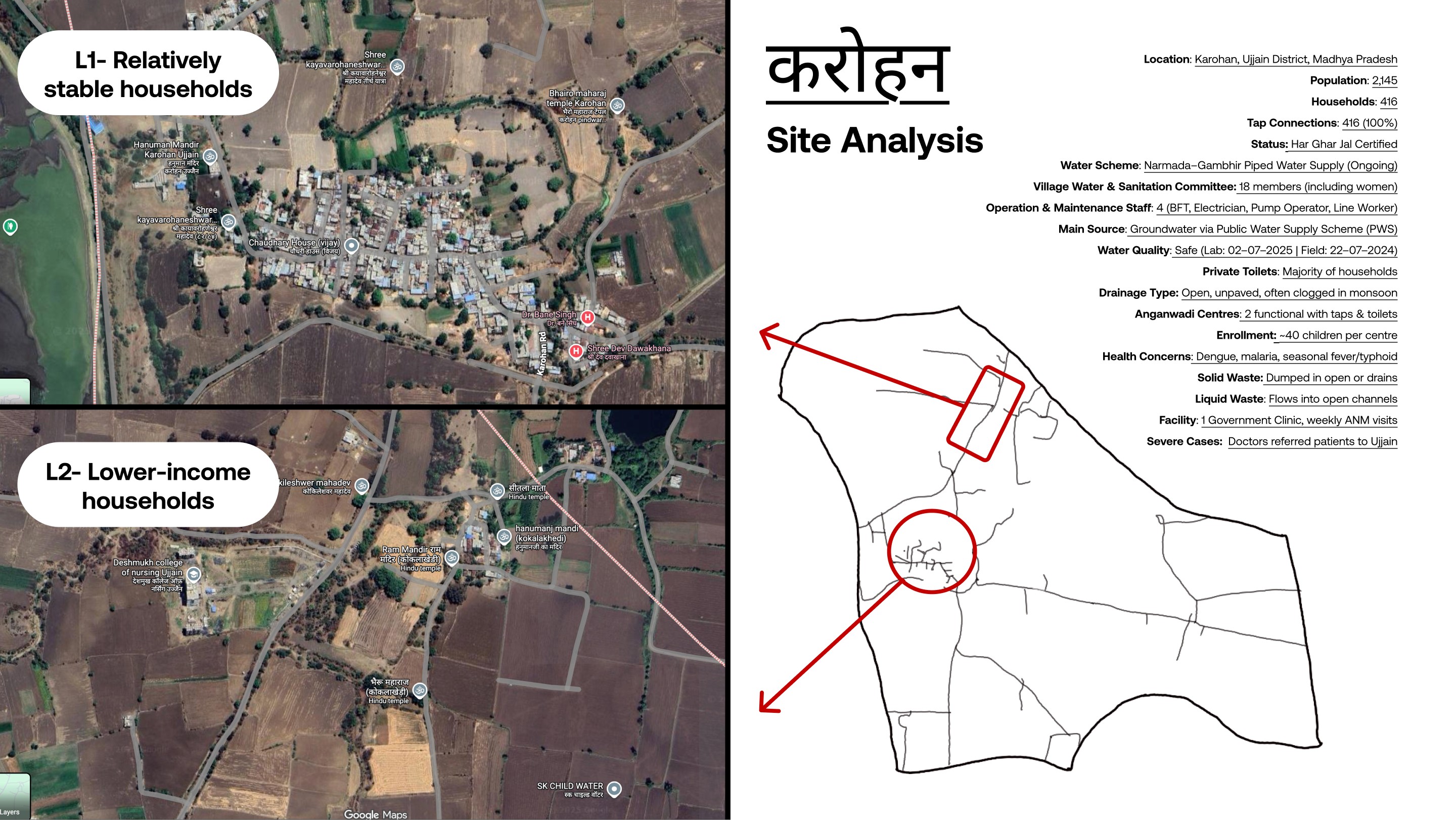
We first classified households into two levels: Level 1 (relatively stable) and Level 2 (lower-income) to understand how differences in housing and infrastructure affect access to water and sanitation.
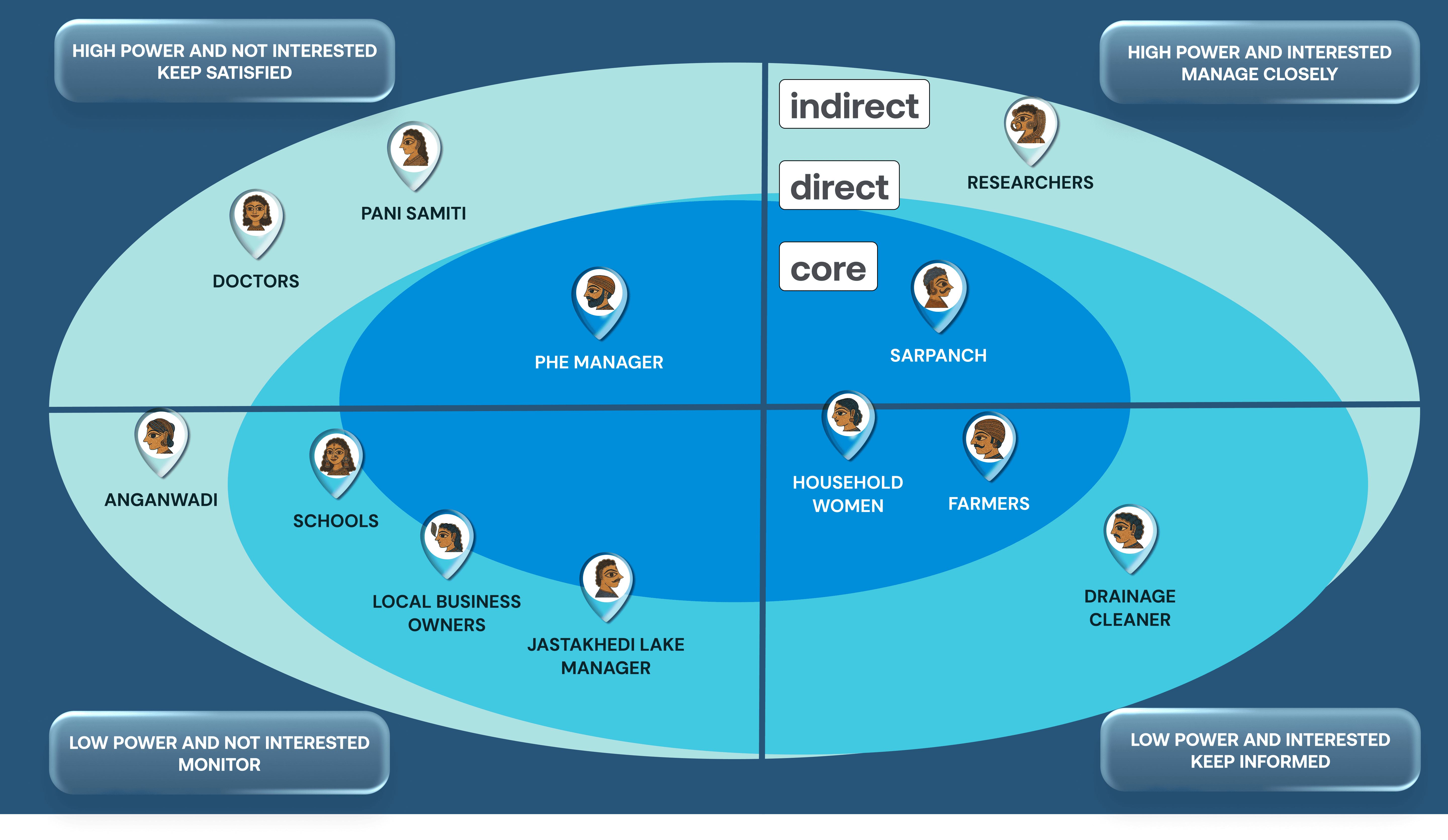
Stakeholder mapping helped us identify the right community and local actors to engage with before the field visit.
Primary Research

x 20 users

1. Monsoon waterlogging and clogged drains increase mosquito breeding. 2. Tap access exists, but unsafe storage and poor drainage create daily risk. 3. Dengue, malaria, typhoid, and seasonal fevers are commonly reported. 4. Low awareness, weak coordination, and poor waste systems worsen sanitation outcomes.
The repeated monsoon pattern showed these aren’t isolated issues but a normalized cycle that quietly harms health and daily life.
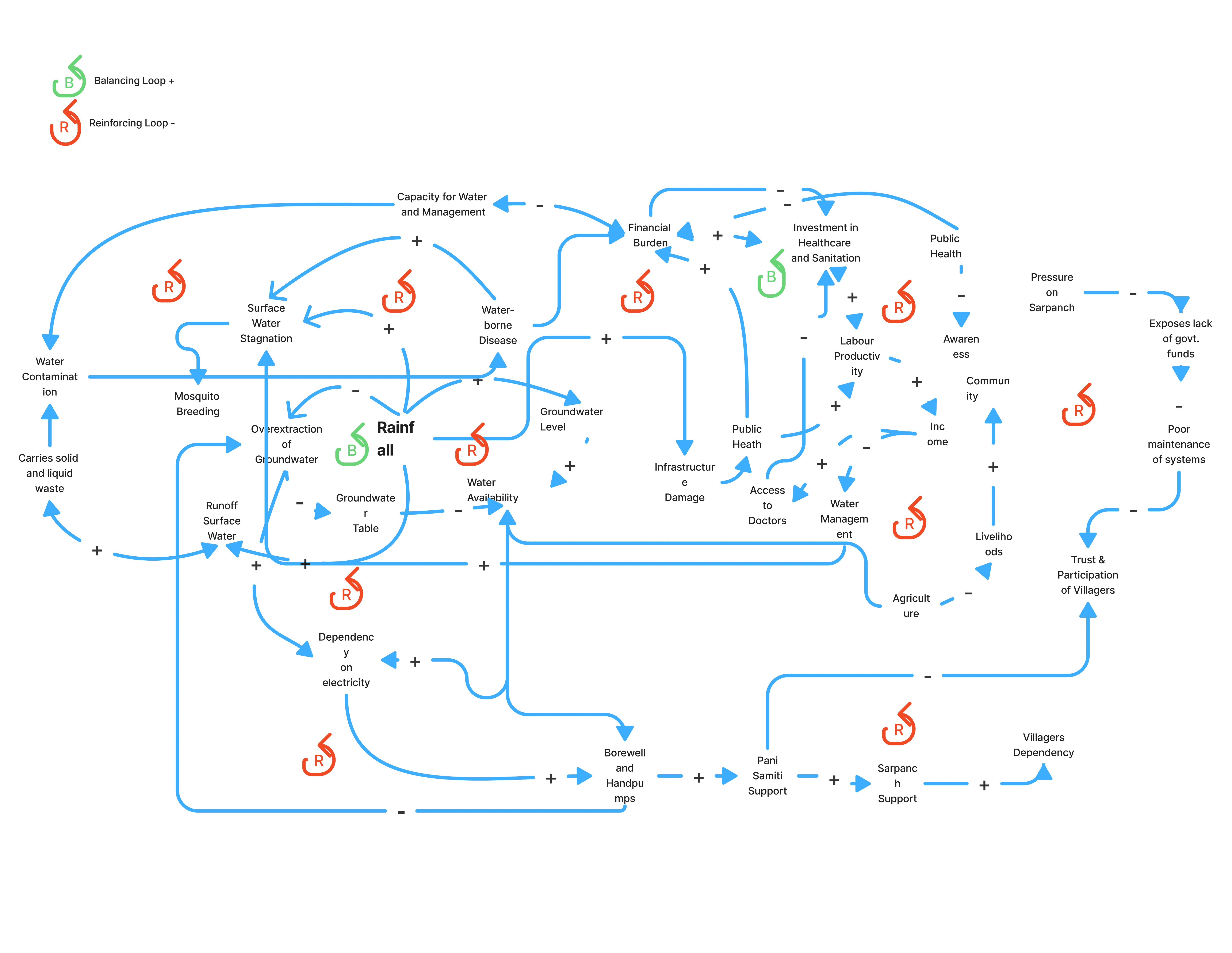
To understand this repeating cycle, we mapped the cause-and-effect relationships through a causal loop diagram.
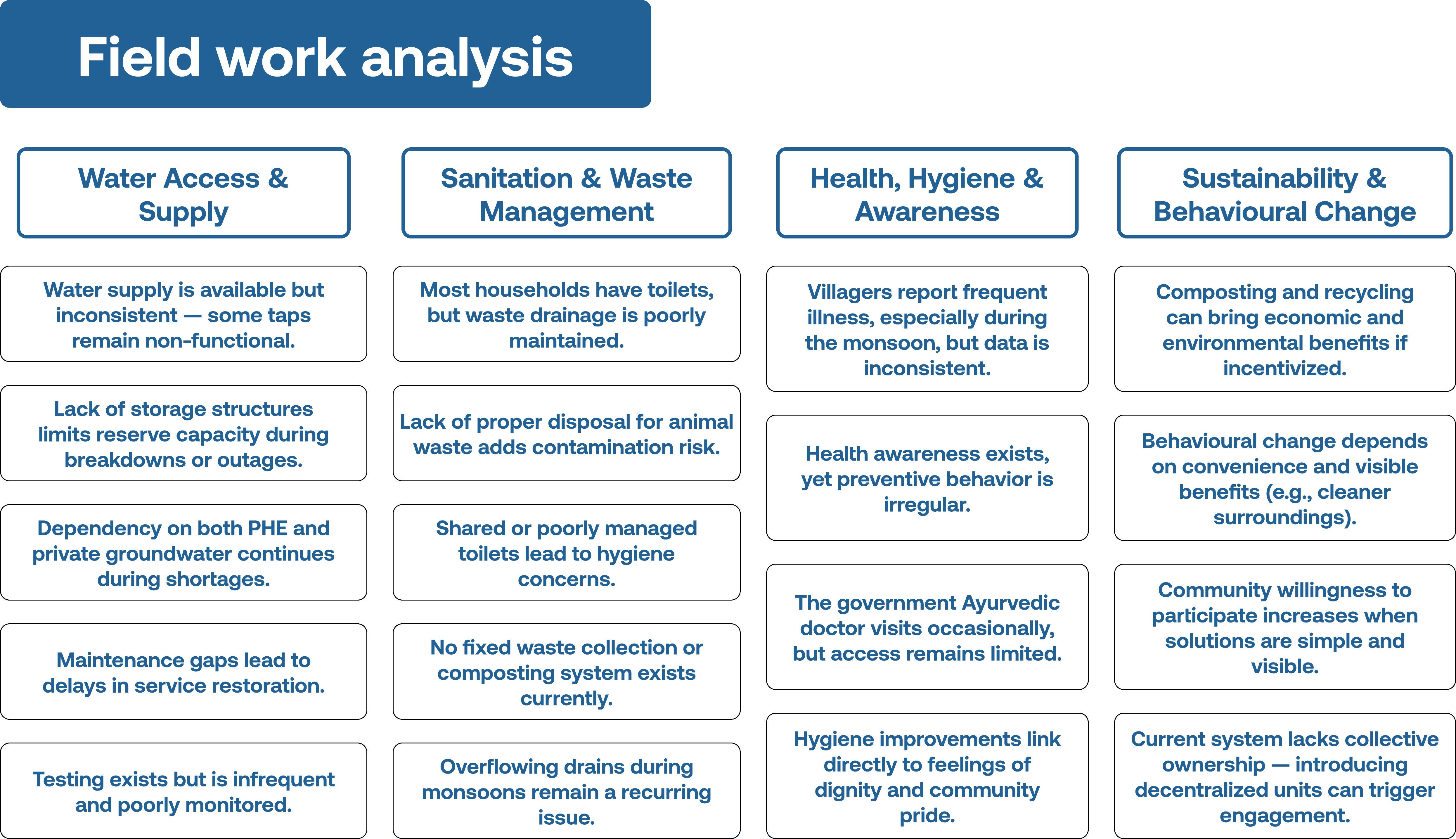
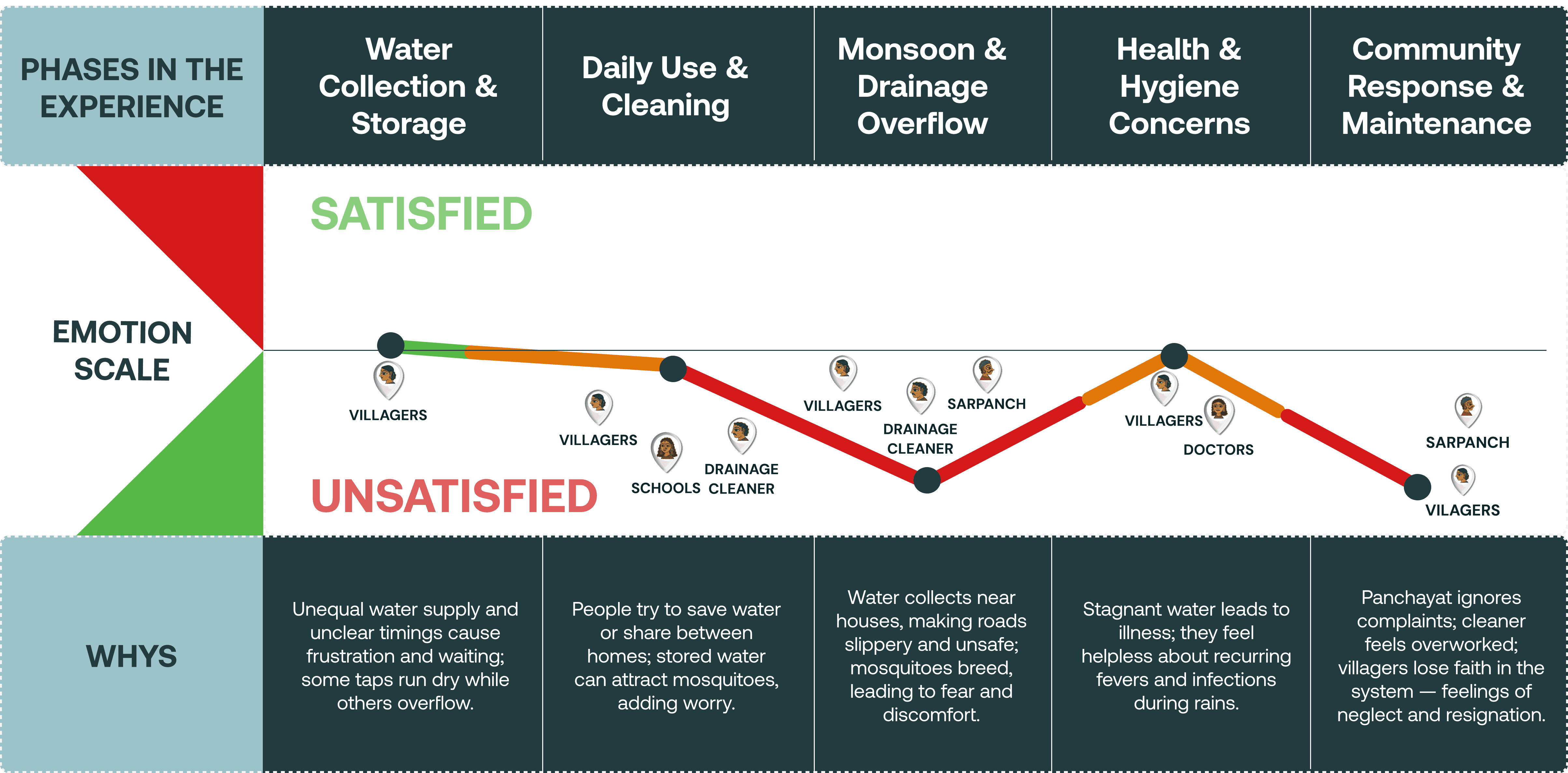
The diagrams showed that sanitation problems repeat in a cycle, increasing both illness and community stress over time.
Affinity Mapping
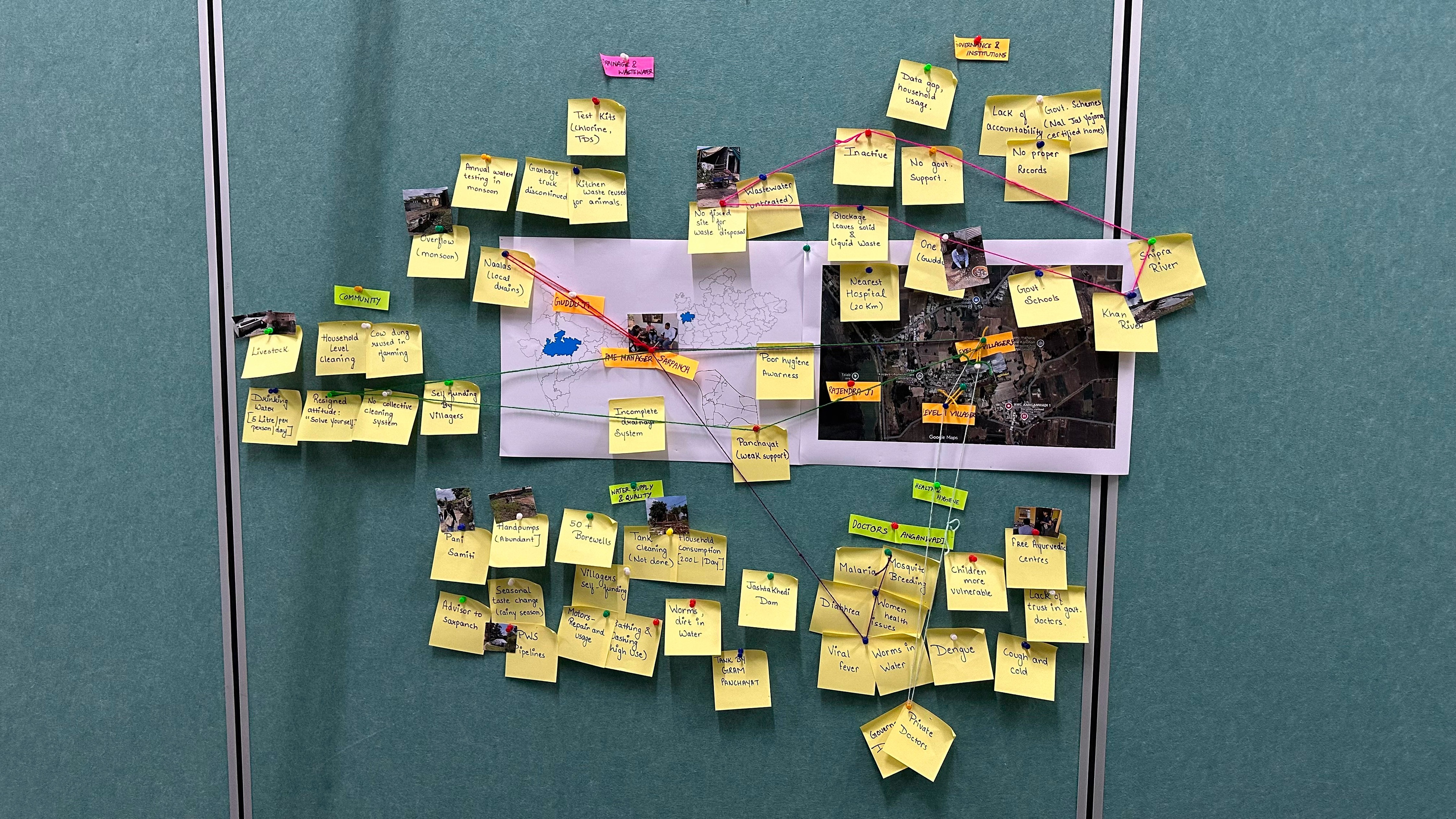
Affinity mapping with my teammate helped us cluster field insights across water, sanitation, health, and governance, revealing key patterns and gaps that shaped our problem framing.
Mapping the system showed that small gaps in maintenance or awareness quickly ripple into health risks and reduced trust.
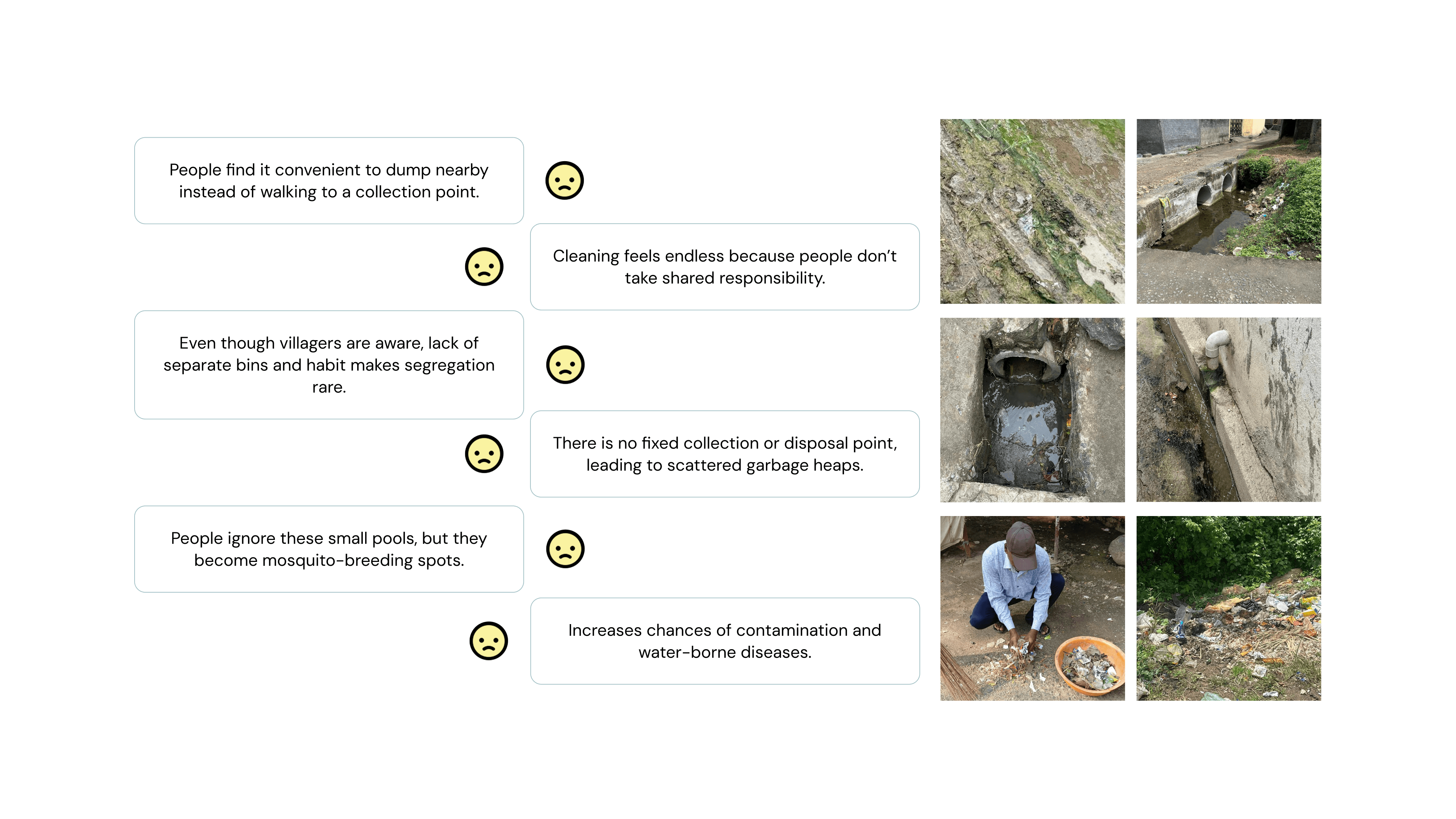
Analysing Unsustainable Behaviour
Mapping pain points surfaced key opportunities: better waste points, shared responsibility, and visible hygiene cues.
User & Expert Insights
Sarpanch:
“On paper, systems exist, but in reality the Pani Samiti has been mostly inactive. Meetings are irregular, records aren’t updated, and with limited funds it becomes difficult to maintain water and sanitation systems consistently.”
Drainage Cleaner:
“I am overburdened. There is too much waste and too many clogged drains for one person to handle. During the monsoon, without help, it becomes impossible to manage.”
Villager:
“Water collects near our homes and stays for days. Children slip on wet roads, mosquitoes breed there, and diseases keep coming back every year.”
Doctor:
“We mostly treat colds and coughs, but during the monsoon cases increase. Serious illnesses like typhoid have to be referred to Ujjain.”
Through data triangulation, we uncovered a gap between reported claims and lived reality - pointing to failures in communication and accountability.
2. Empathize
Understanding user needs and pain points
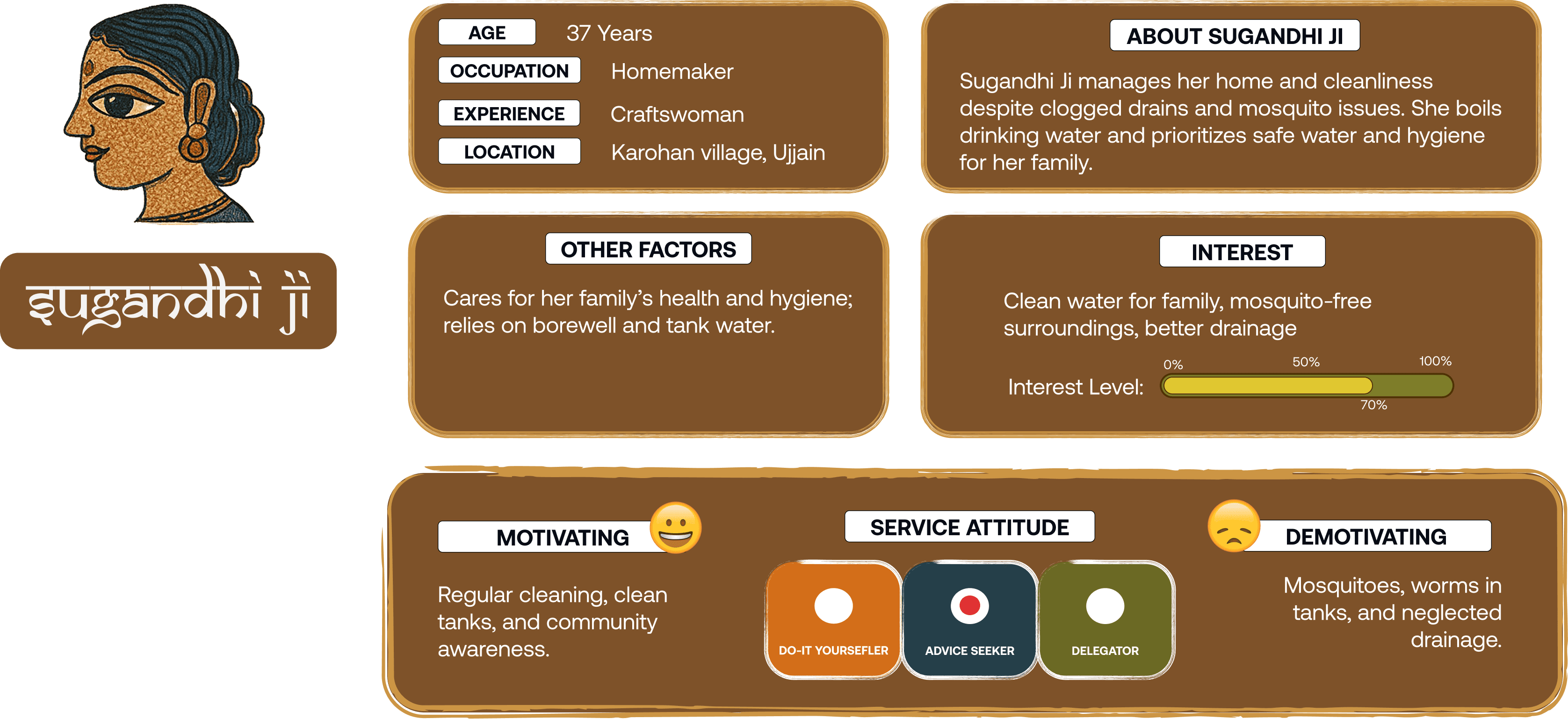
How might we help Karohan residents and authorities prevent water stagnation and sustain village health year-round?
3. Ideate :
Designing solutions that simplify user interactions and enhance overall experience.
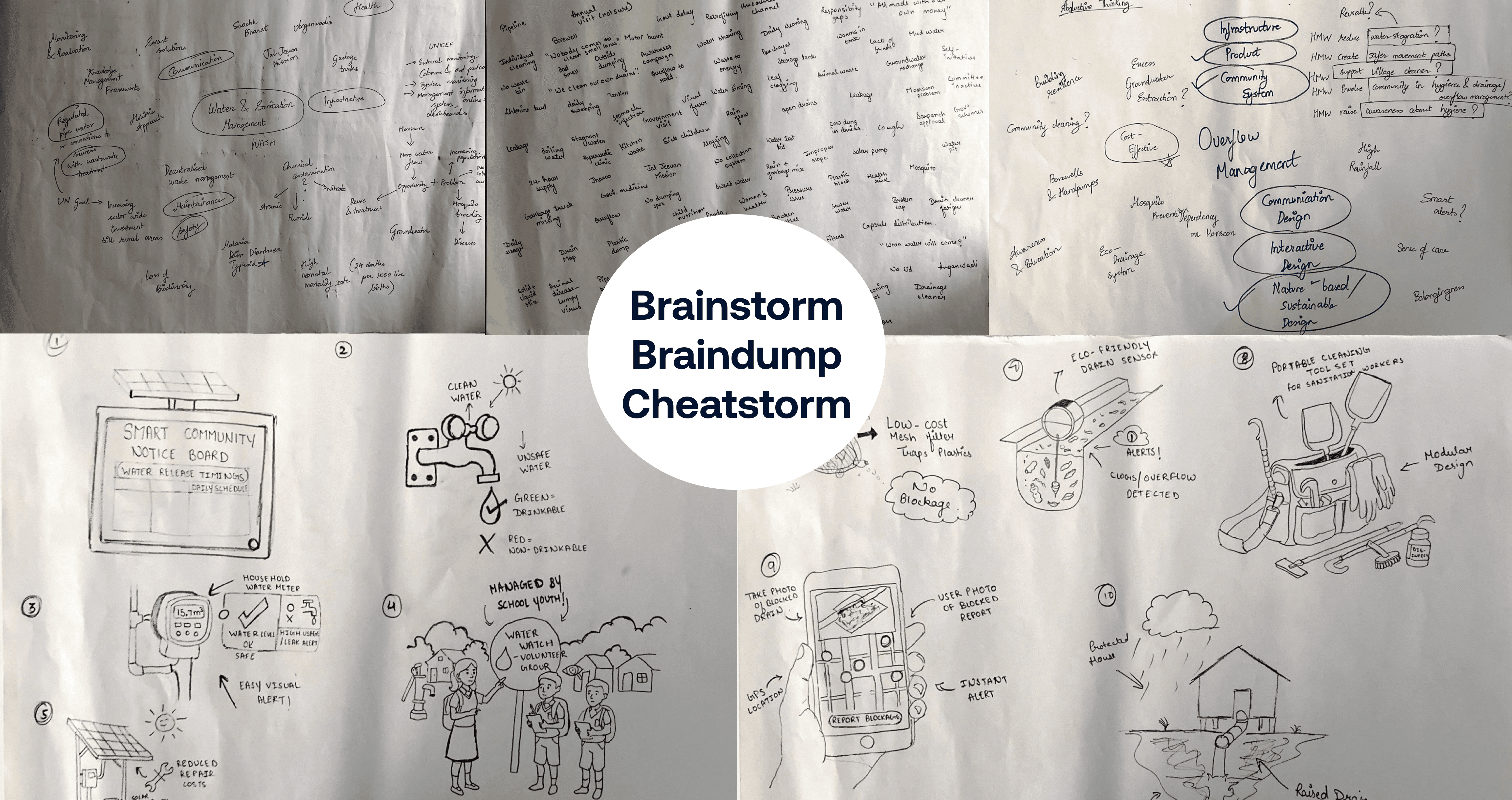
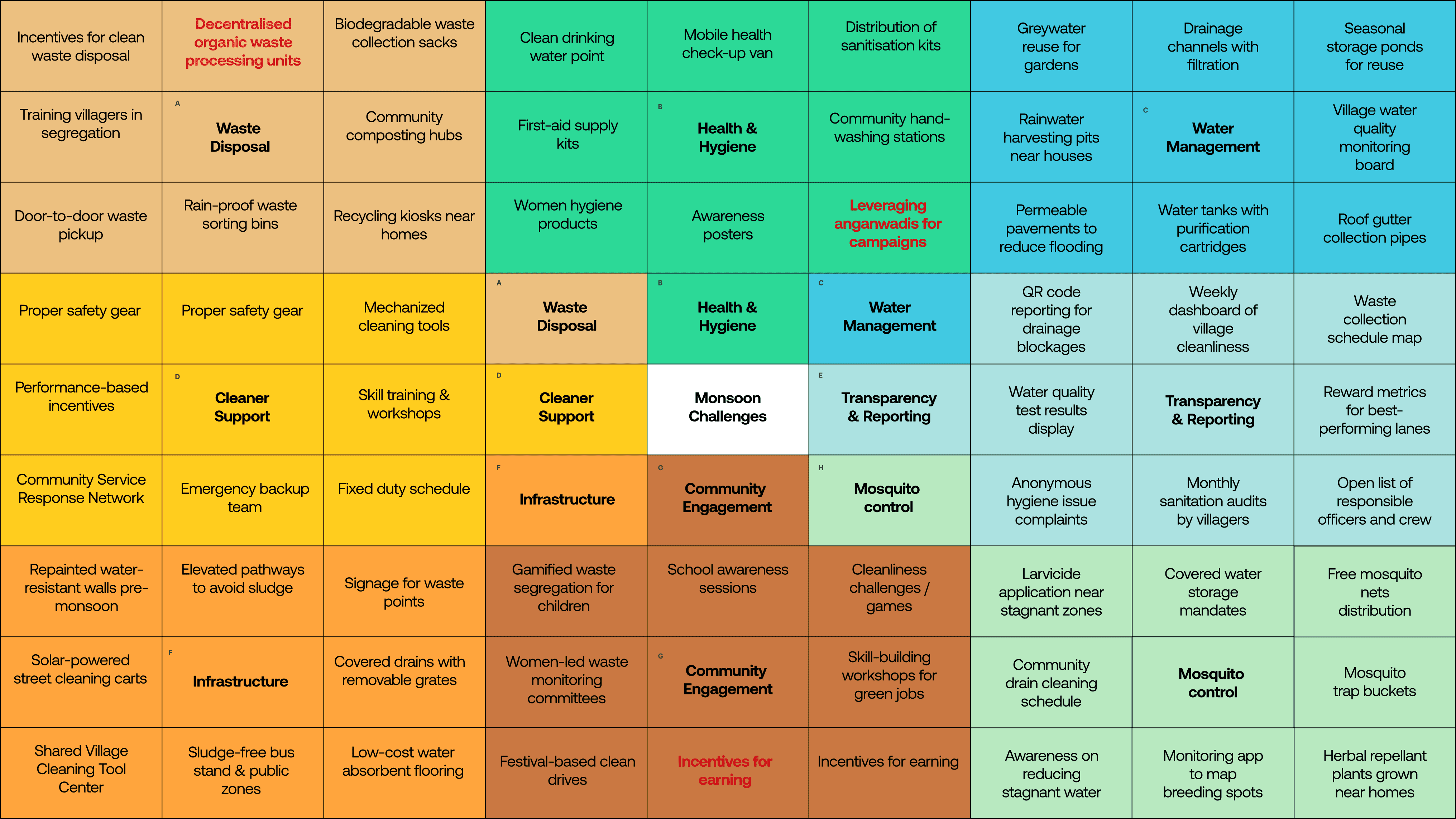
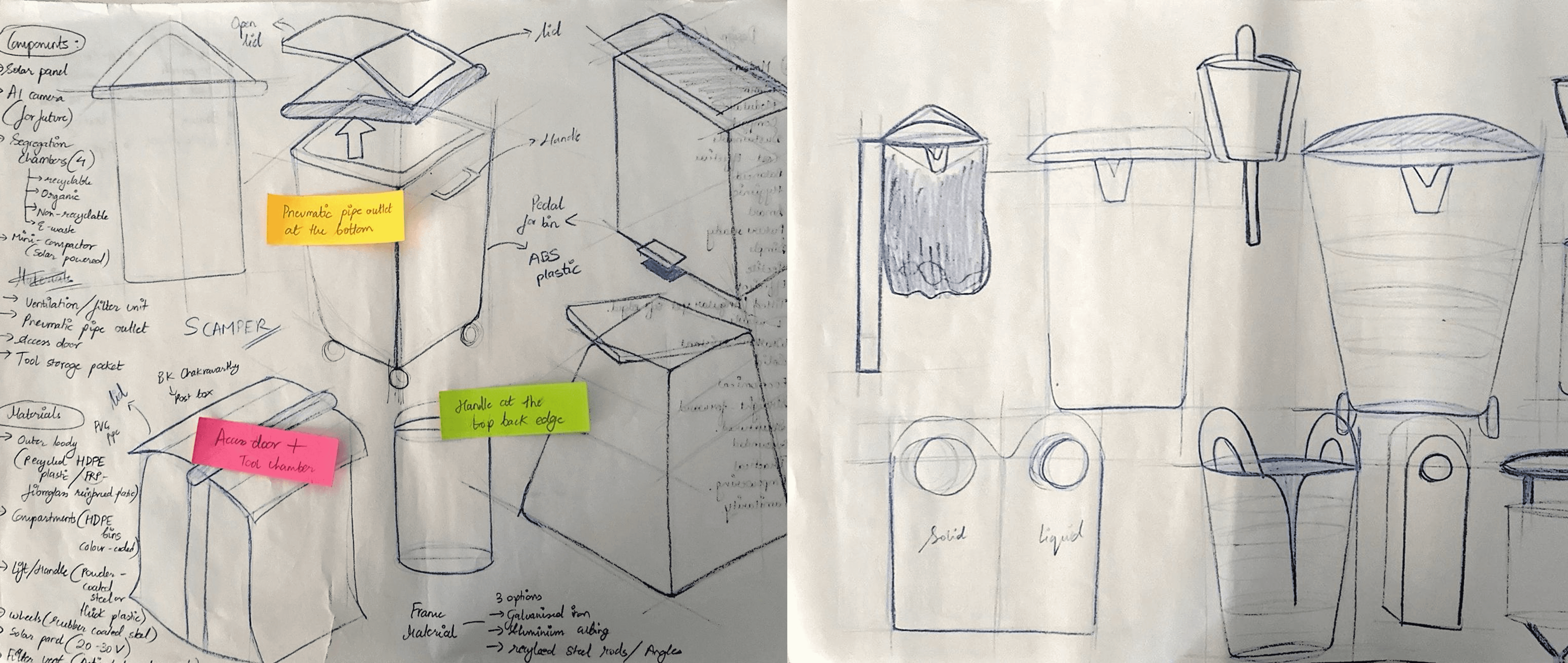
Sketching Ideas

4. Prototype
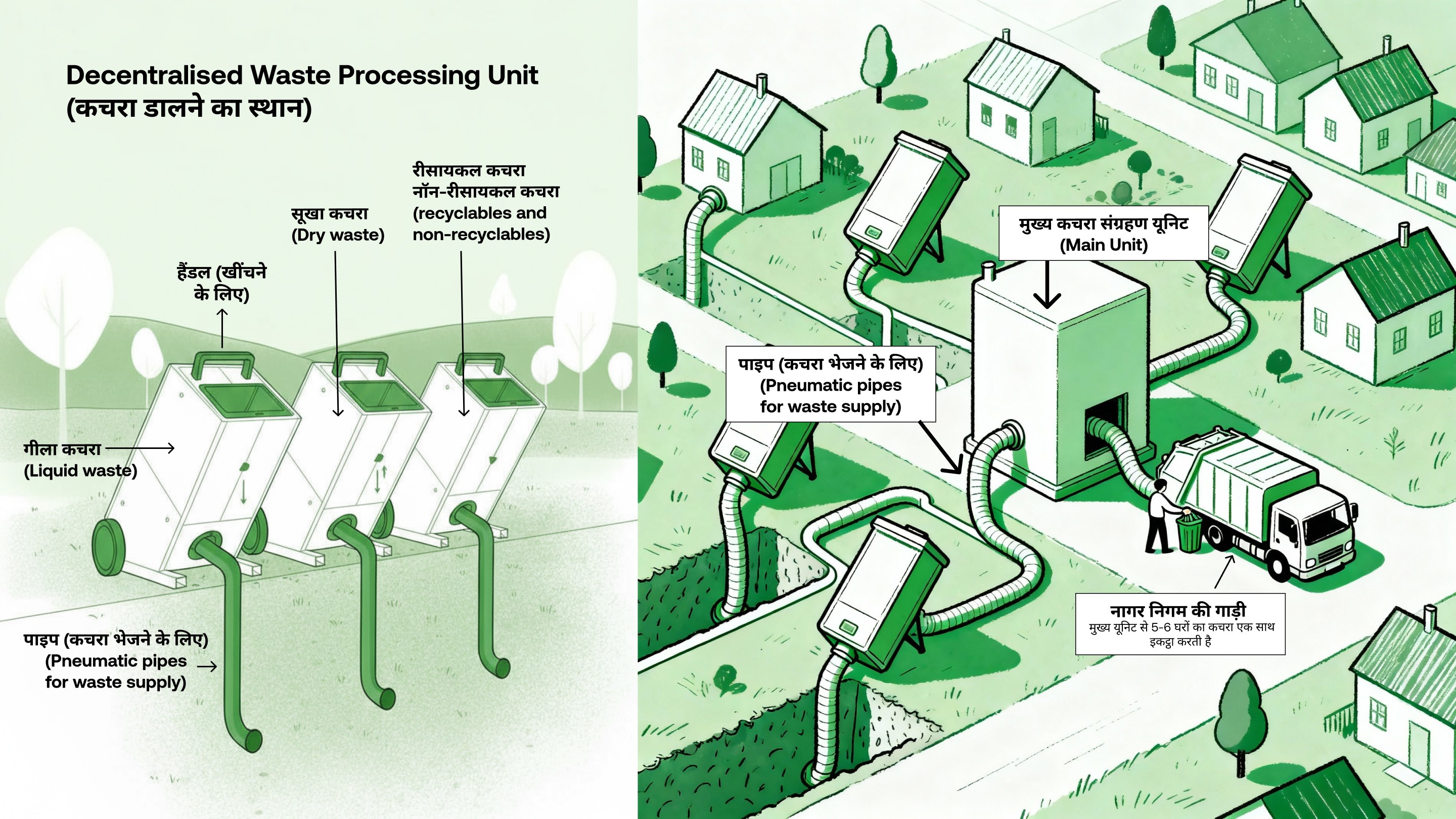
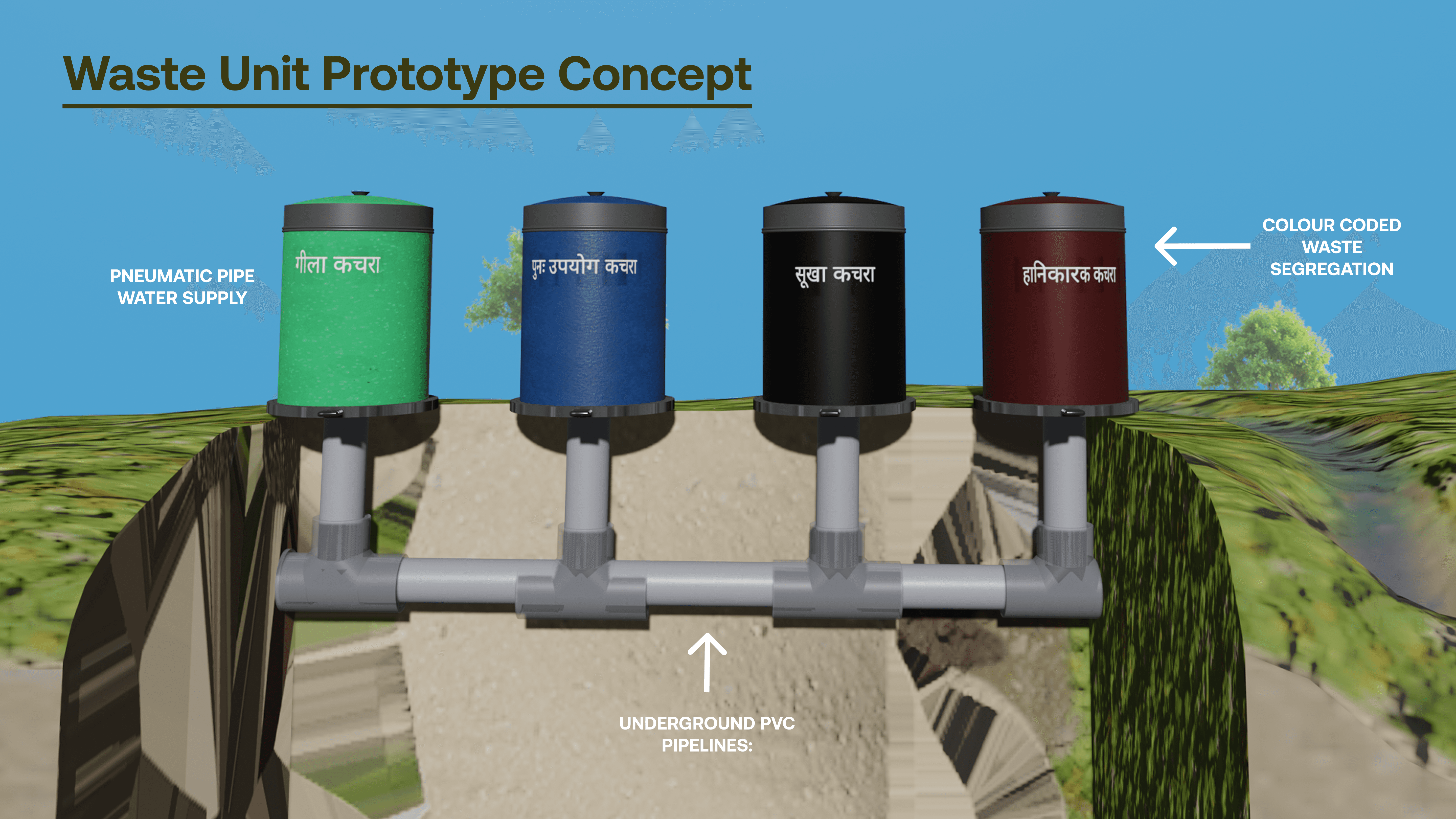
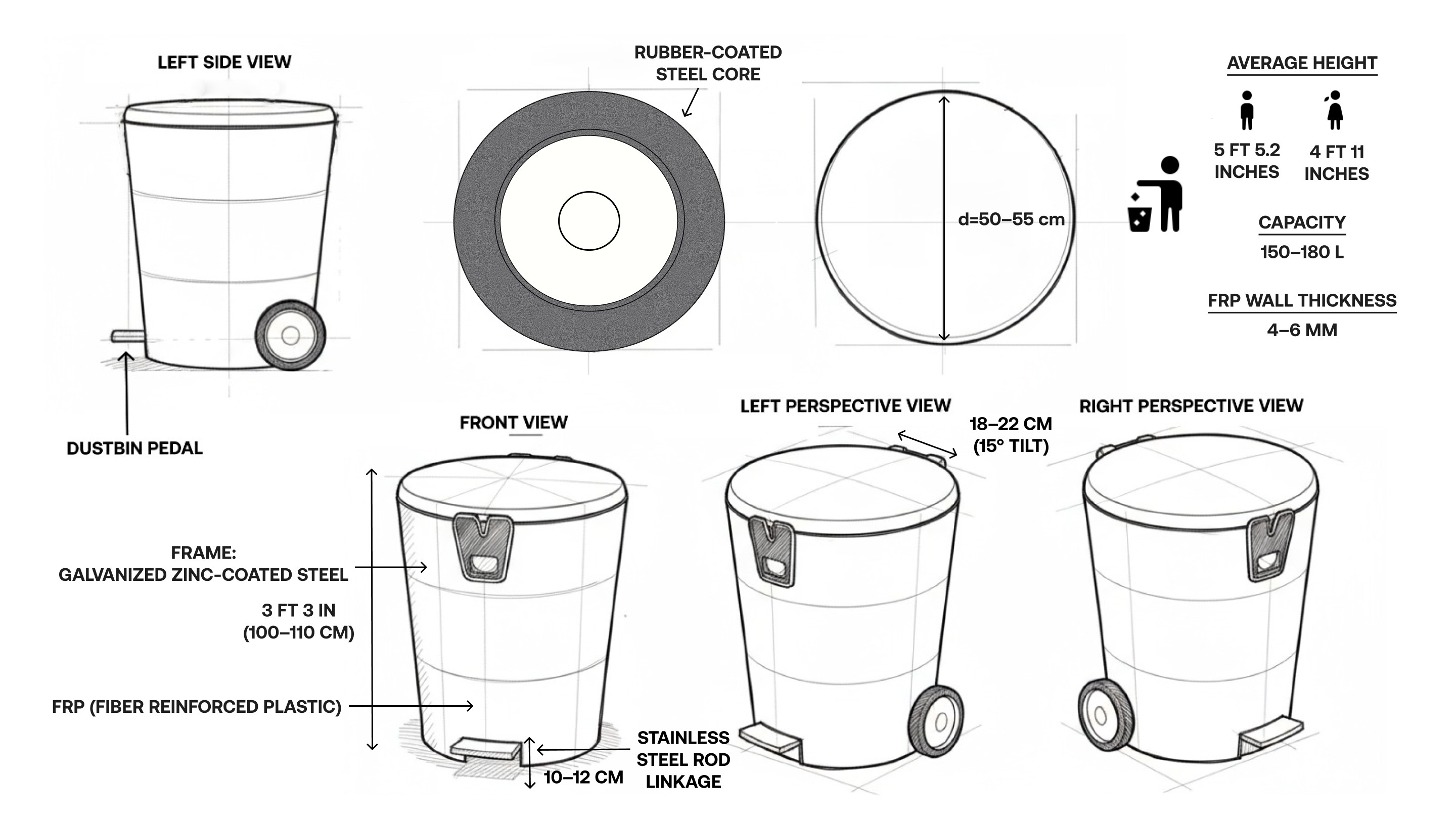
The prototype adds clarity and ease to the waste management system.
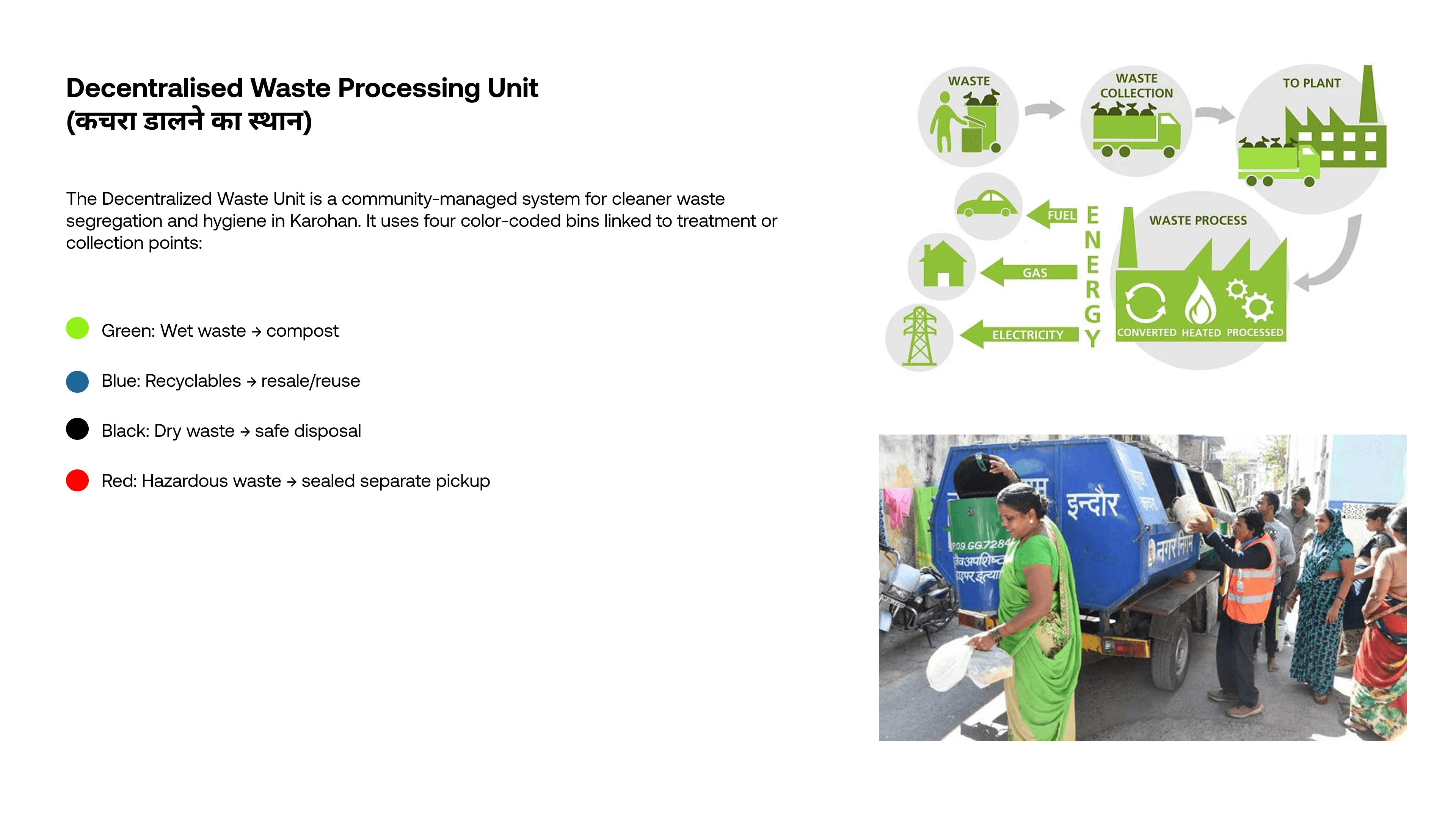
Prototype Evaluation
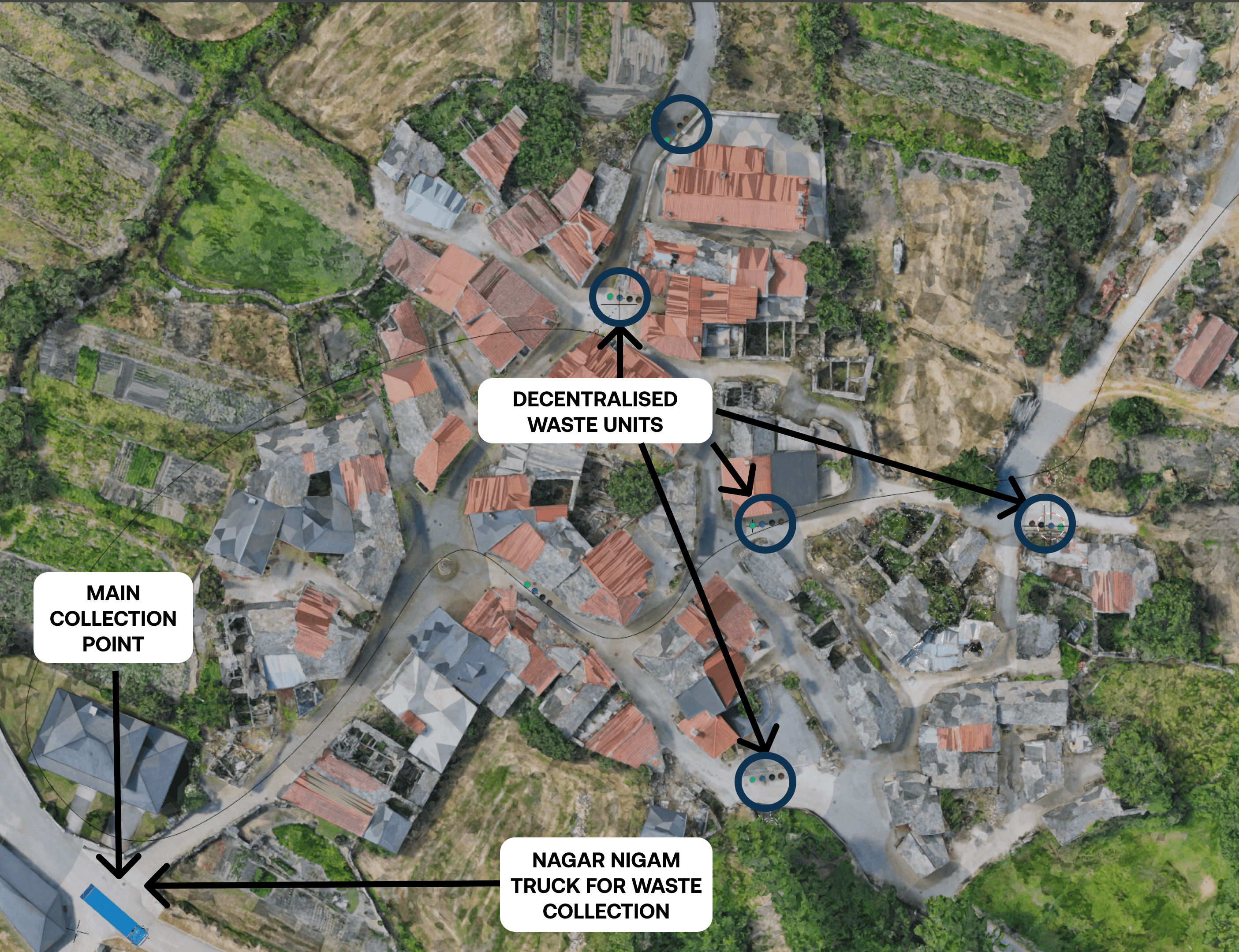
This map shows decentralized waste units that streamline collection and reduce local dumping.
Meeting Panchayat Members
Presenting at the Gram Panchayat was grounding, as direct feedback from villagers and officials validated our insights and strengthened local relevance.

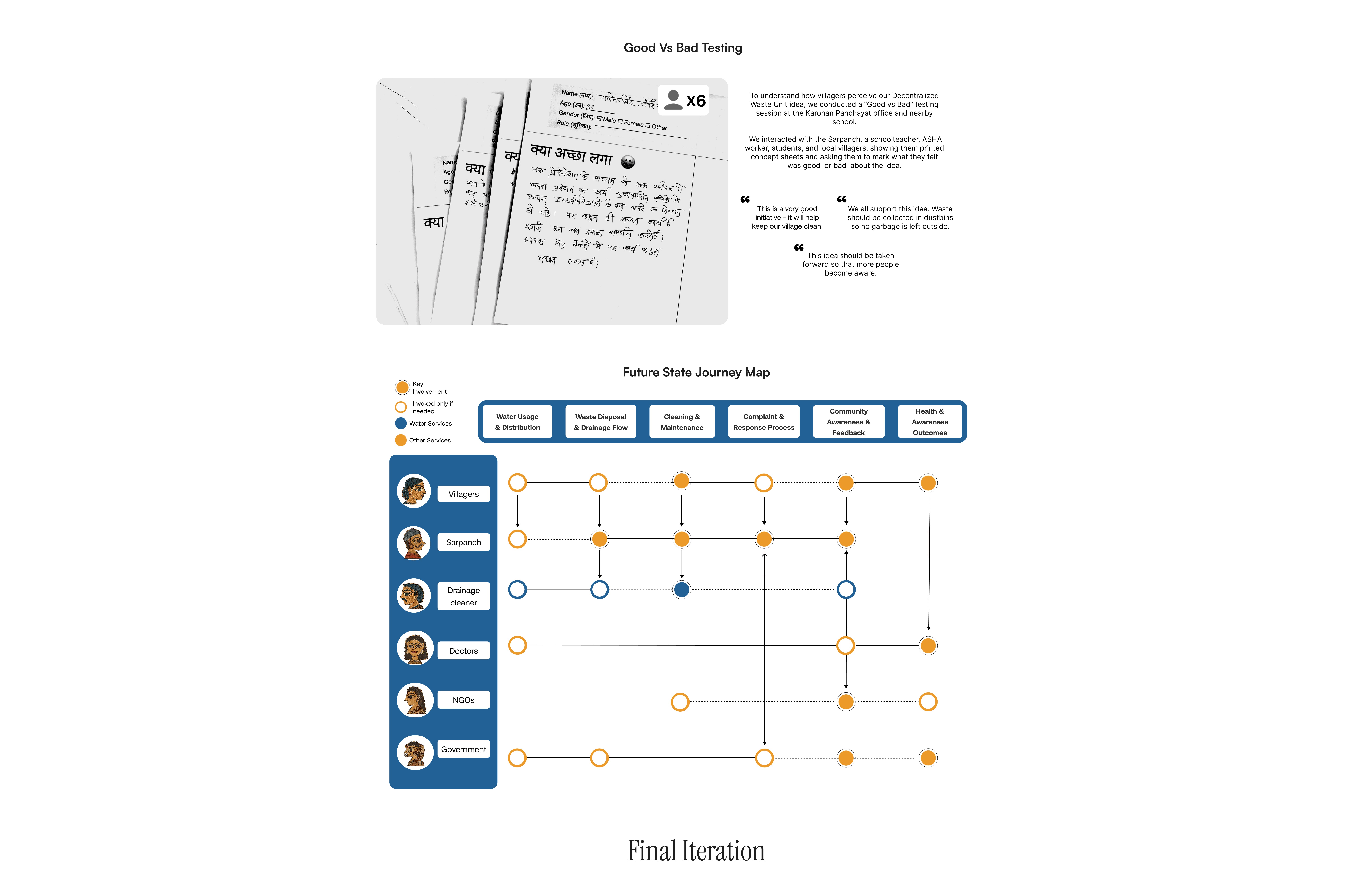
Concept Testing
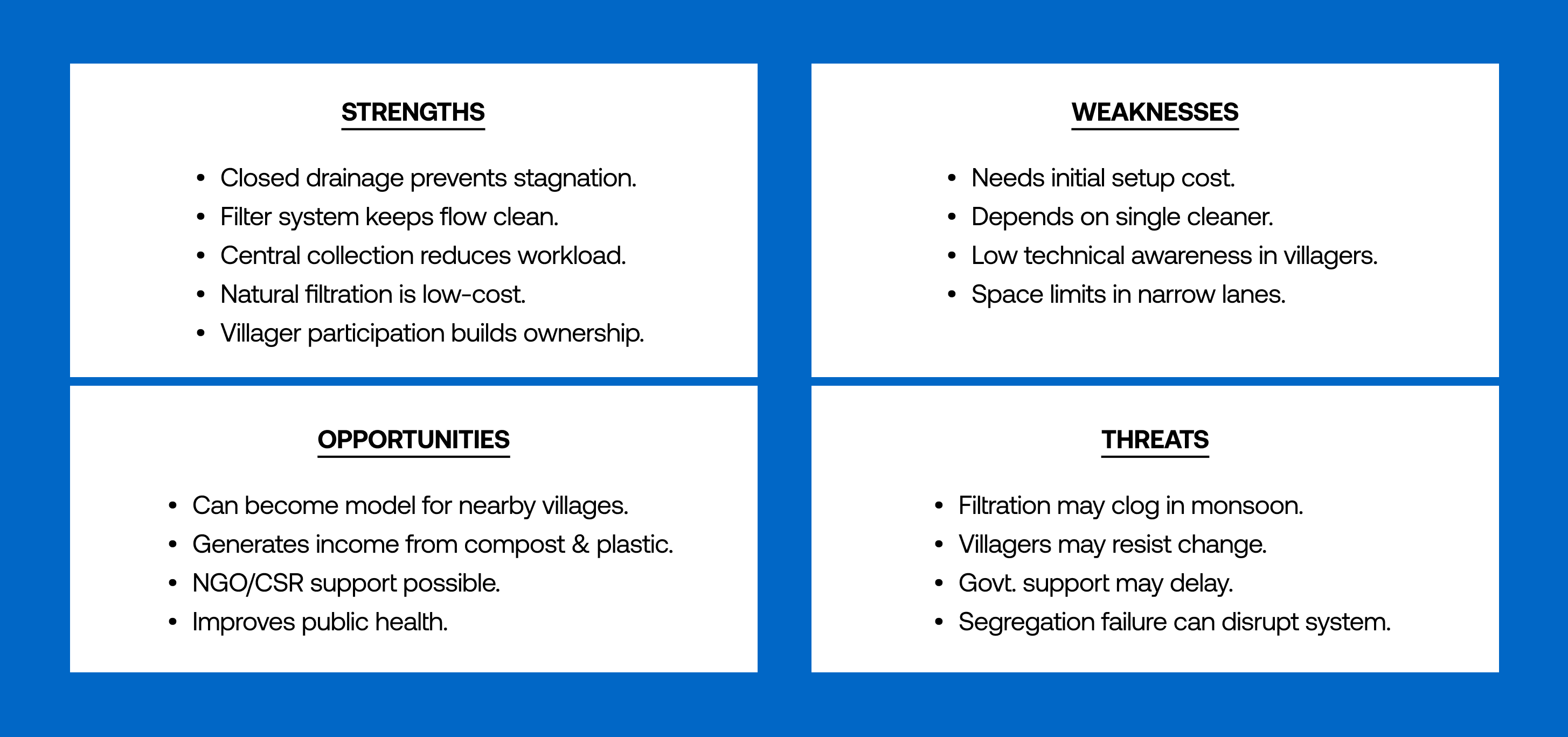
SWOT Analysis
Reflection and Next Steps
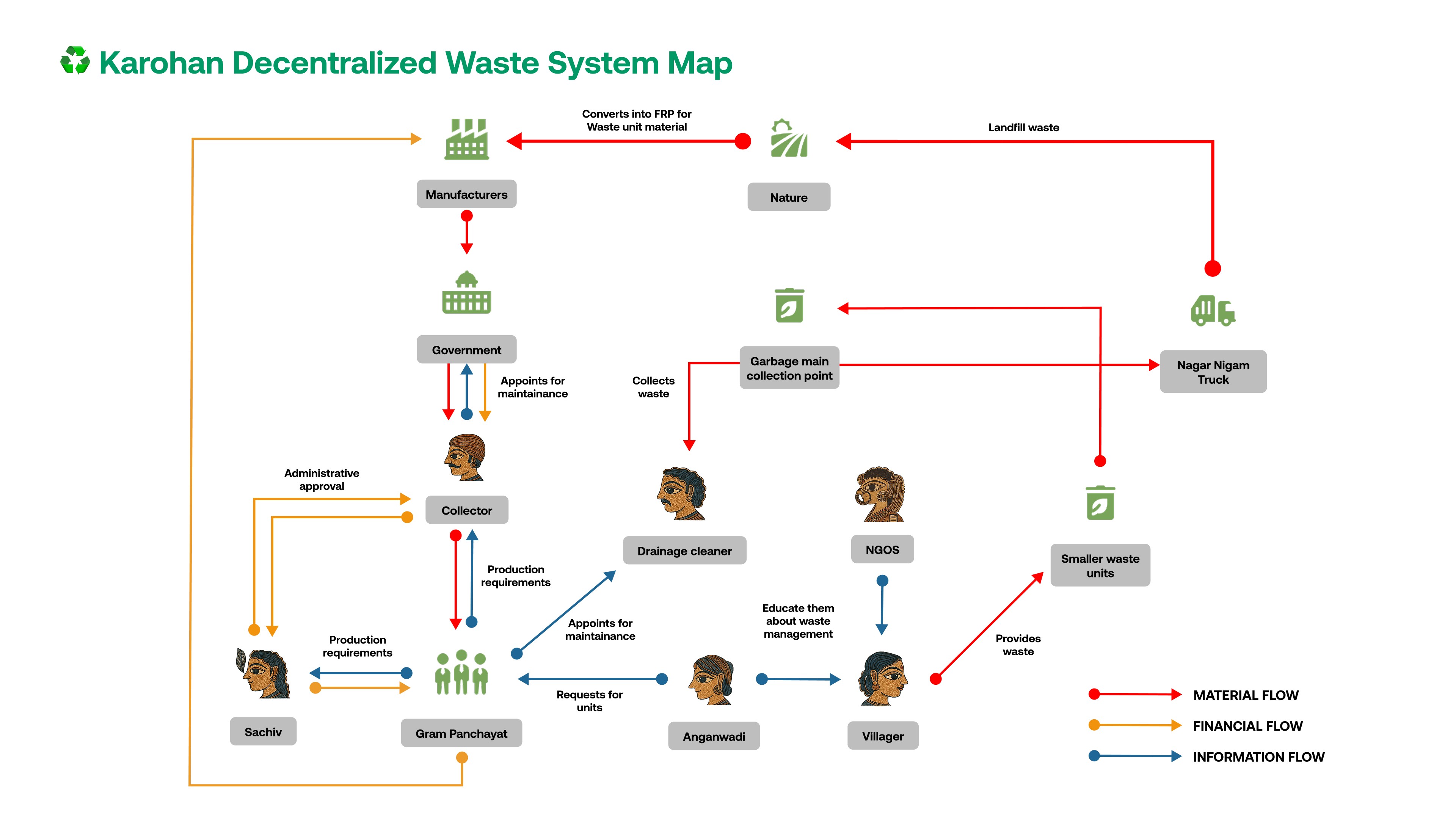
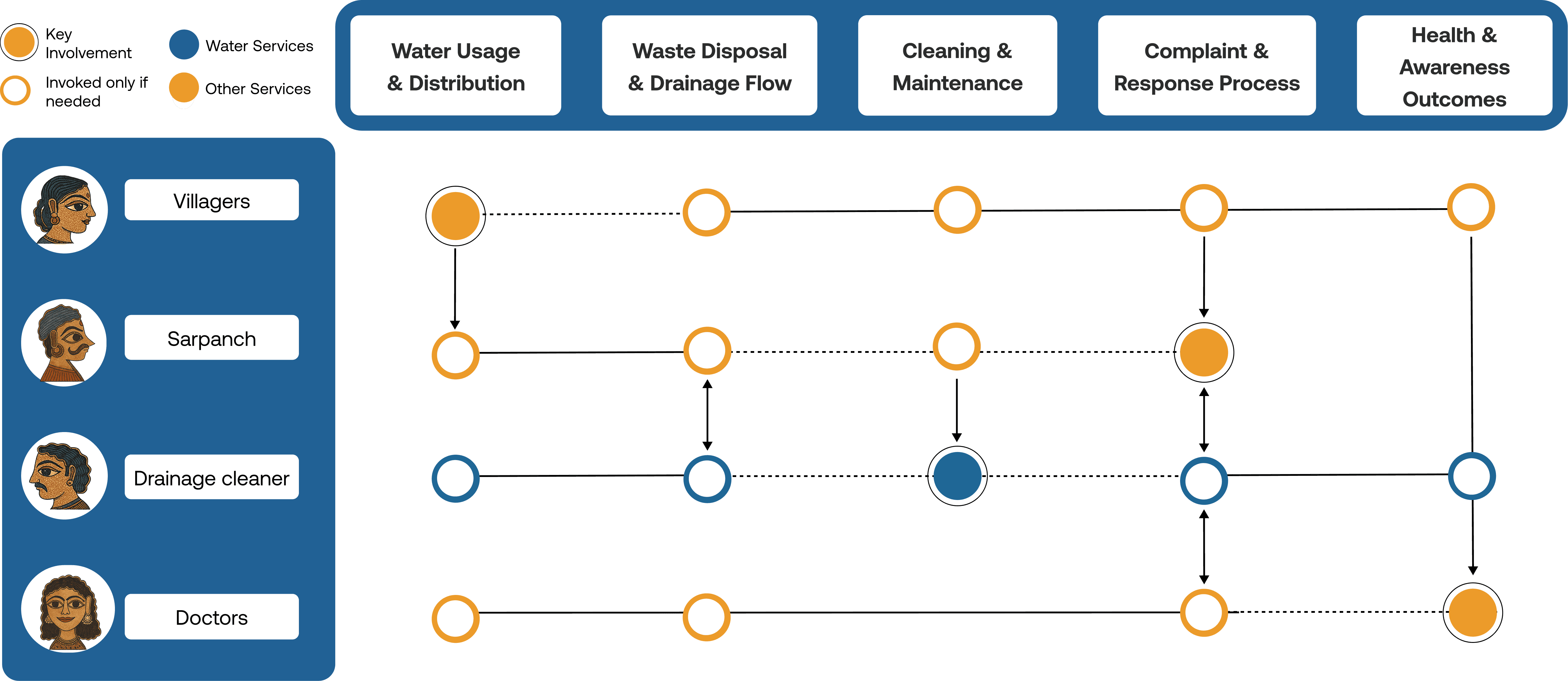
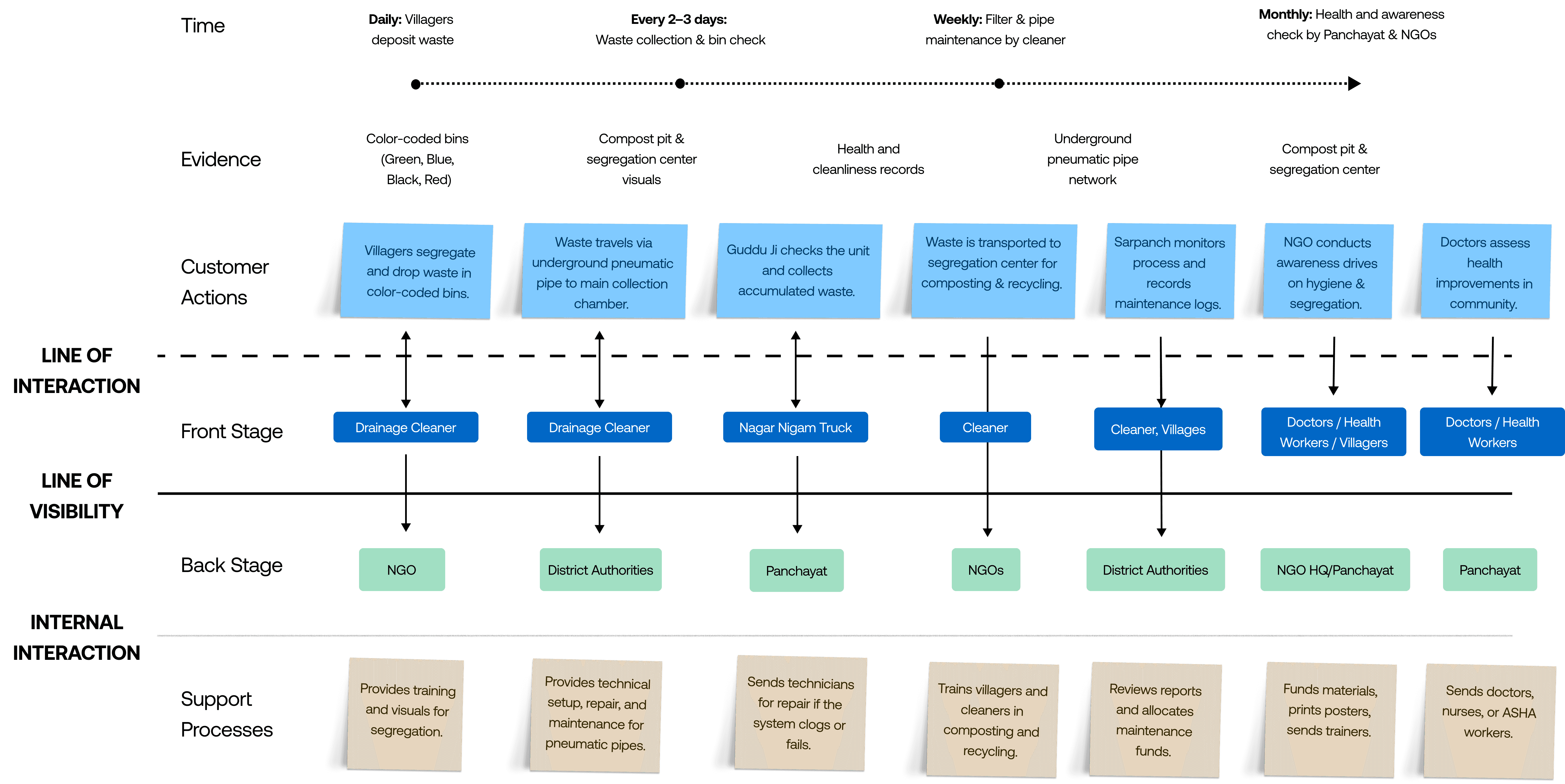
The system map and service blueprint outline Karohan’s waste service end-to-end, showing key stakeholders, process steps, and the handoffs that must align for reliable execution.
What i Learned :
Learned that everyday practices and ground realities shape health outcomes more than infrastructure alone.
Understood that sustainable rural change needs both low-tech community action and system support.
Realized the value of mapping stakeholders and service journeys to uncover gaps in responsibility and maintenance.
Next Steps:
Translate key insights into a refined concept focused on decentralized waste management and improved drainage practices.
Develop and test low-fidelity prototypes with villagers, cleaners, and local authorities to validate usability and adoption.
Iterate the solution based on feedback, feasibility, and maintenance capacity to ensure long-term sustainability and community ownership.